René Groebli – Paris 1949
SFr. 48.00
Paris 1949
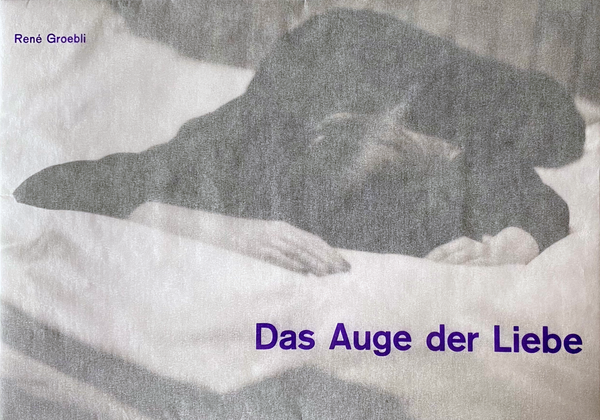
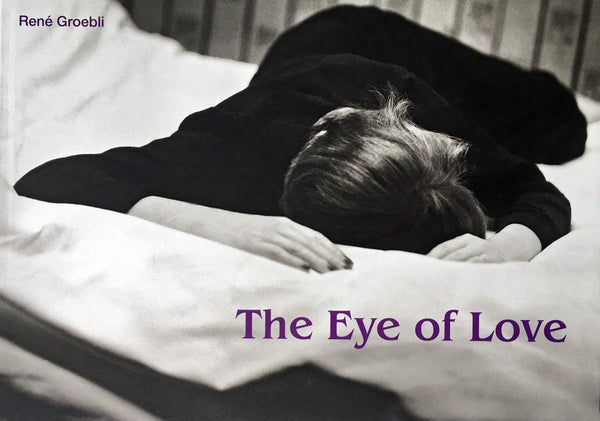
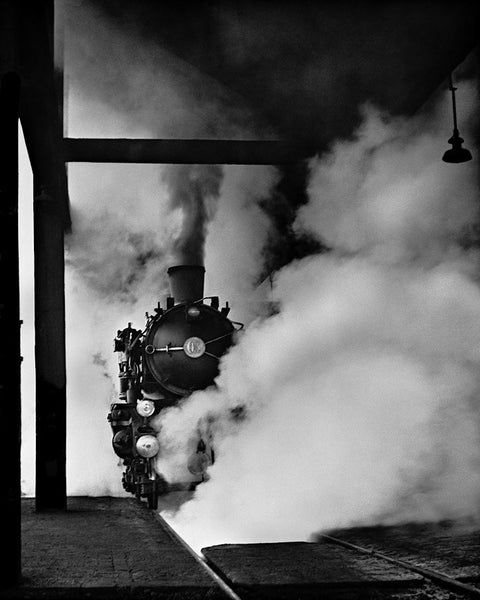
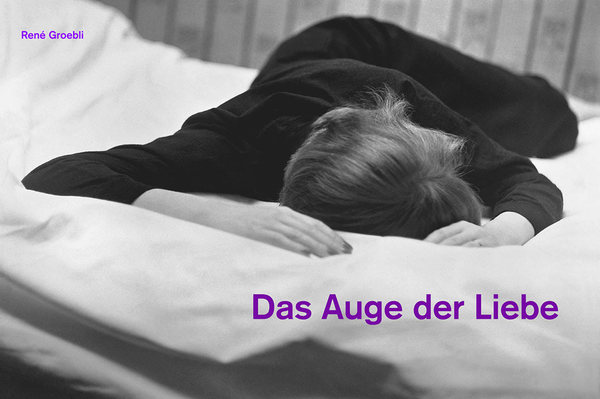
Paris, ils t’aiment. Paris, they love you. The city considers itself ‹the capital of photography› – and with good reason, for it has captivated countless photo-graphers. René Groebli is one of them. His personal impressions of a long gone, post-war metropolis are inimitable. Many of the pictures in this publi-cation show signs of his unmistakable signature: blurred movement, multiple exposures, the play of light and silhouettes. They testify to his unerring eye for situations, structures and composition and to his idiosyncratic, unconventional perspective, which is underscored by combining photographs from 1949 with a select few from 1979. Paris is the Eiffel Tower, the Seine, the Jardin du Luxembourg; it is also the cafés, the women with outré headgear and the cats. However, Groebli’s cat is no ordinary domestic feline; she is the guardian of perfumes displayed in a shop window, while watching over the children of Paris at the same time. A young woman appears to have a halo thanks to the wall behind her. We see the Eiffel tower, alone and twisted in the distance. And so, as we stroll through the city with René Groebli, we are greeted by surprises at every corner. Paris, il t’aime. Paris, he loves you. The city would become seminal to Groebli’s singular style. It led to his first publication, Magie der Schiene (Rail Magic) a trailblazing work that captures this spellbinding city and its train stations. It is here that he met up almost daily with another young Swiss photographer, ‹Röbi› Frank, who drove him around in his convertible. He visited his role model, the photographer Brassaï, whose work he ad-mires to this day. He went to Marcel Marceau’s studio and photographed the then little-known mime. Most importantly, it was here that René and Rita Groebli spent their honeymoon, which inspired Groebli’s second publication, The Eye of Love. The Paris that exerted such an allure is as palpable in the present publication as it was then. These photographs are not merely documents of a city; they are a visual diary full of gentle melancholy – and humour.
Dana Rudinger
More Details